

The Prevalence of Adult Coeliac Disease in the UK is 1%
- CD in Northern Ireland 1 in 122 (n=1823)
Johnston SD et al Lancet 1997;350:1370 - CD in Sheffield 1 in 100 (n=1200)
Sanders DS et al Eur J Gastroenterol Hepatol 2003;15:407-13 - CD in Cambridge 1.2% (n=7550)
West J et al Gut 2003;52:960-5 - CD in Bristol 1% (n=5470)
Bingley P et al BMJ 2004;328:322-3
 New concepts about coeliac disease
- The commonest age for presentation is between the 4th to 6th Decade
- For every paediatric case diagnosed there are 9 adult cases
- For every adult case diagnosed there are 3 cases still not recognised
- People with undiagnosed adult coeliac disease generally have a normal BMI and may even be overweight
Fassano A & Catassi C Gastroenterology 2001;120:636-51
Recognising CD in Gastroenterology
Coeliac disease in primary care: case finding study

Howard Hin, Graham Bird, Peter Fisher, Nick Mahy, Derek Jewell
Case finding for coeliac disease in primary care using clinical algorithms results in increased detection. So when patient were tested for coeliac disease in primary care using the categories noted on the right hand side, there was a significant diagnostic yield of previously undiagnosed patients who had presented on numerous occasions to their GP’s with non specific symptoms.
Hin H et al BMJ 1999;318:164-7
What’s New?
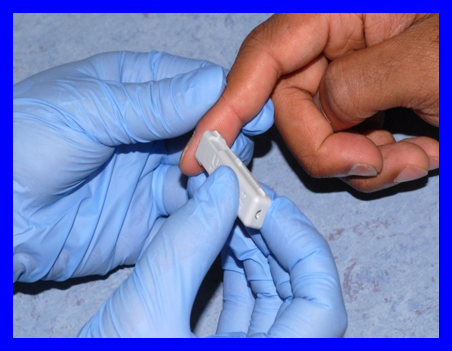
- Point of Care Testing: may ensure early and rapid detection in primary care settings
 The Quality of life in patients with coeliac disease is worse than those with ulcerative colitis (Barratt SM et al Eur J Gastroenterol Hepatol 2011)

- NICE: Costs per 100,000 population: ‘testing is cost effective from a QUALY perspective’
- What drives adherence to a Gluten Free Diet?Factors that were most associated with good adherence to a gluten-free diet were follow-up with an engaged healthcare professional and membership of a coeliac disease advocacy group and this should be strongly encouraged.


